

2026-08-15
Unveiling the Mysteries of LegacyOfEgypt
Explore the captivating world of LegacyOfEgypt, the engaging gameplay, and its unique rules.
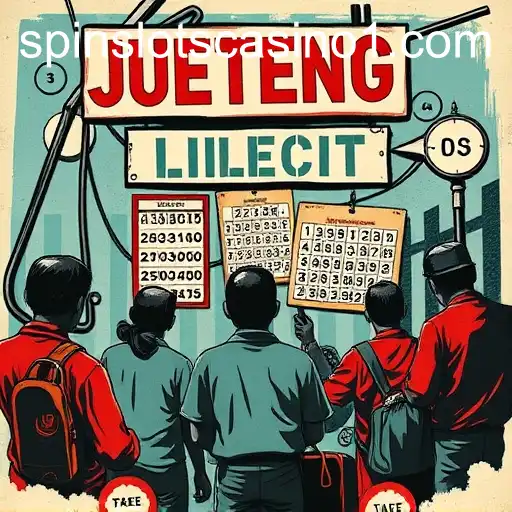
Jueteng is a numbers game that has weaved itself into the fabric of Filipino culture. This illegal lottery has long been a staple of underground betting operations in the Philippines, capturing the intrigue, controversy, and unease of many. Despite numerous campaigns to stamp out this clandestine activity, jueteng continues to thrive, raising questions about its seemingly unyielding allure.
The game's roots can be traced back to Spanish colonial times when gambling evolved as a recreational pastime. It involves betting on numbers, and while it seems harmless on the surface, the mechanics and operations suggest otherwise. Jueteng requires two sets of numbers, typically from one to thirty-seven. Participants choose two numbers, and if these numbers are drawn, they win a prize determined by their bet amount.
The operation of jueteng is an organized hierarchy, managed meticulously like any legitimate business enterprise. At the bottom of this structure are the kubradores or collectors. Kubradores roam neighborhoods, collecting bets from eager participants. Their charisma and personal rapport with bettors play a critical role in maintaining jueteng's customer base.
Above the kubradores are the cohorts, individuals responsible for consolidating all collected bets. Above them stands the capo, a figure akin to a manager who oversees multiple operations. At the pinnacle is the operator, often a wealthy or influential figure who bankrolls the entire operation and ensures protection from the law.
Jueteng's appeal is multi-faceted. It offers an opportunity to win substantial rewards from minimal investment, making it an attractive form of entertainment for the financially strapped. The game's accessibility and low-risk entry contribute further to its popularity.
Its operation also weaves a complex web of economic reliance among communities. For many, jueteng isn't merely a gamble on numbers; it's a livelihood. The work offers a semblance of stability for the kubradores who depend on commissions from their collections.
Numerous efforts have been launched to curb jueteng in the Philippines, yet the game remains remarkably resilient. This resilience can often be attributed to several factors, including corruption within law enforcement and political landscapes. There are instances where authorities themselves are accused of accepting bribes to protect operations, making regulatory measures frustratingly challenging.
Efforts to formalize and legalize similar lotteries, such as the Small Town Lottery (STL), have been initiated as alternatives to jueteng. While legal, STL has not altogether eradicated jueteng, leading to questions about the interplay between the two.
Despite its illicit nature, jueteng has cultural significance. It is deeply embedded in the socio-cultural structure of many Filipino communities, equivalent almost to tradition. The game transcends mere gambling as it has become a communal activity, a social glue that fosters a sense of camaraderie among players.
The game's notoriety has been spotlighted in various media, ranging from news reports to films, further complicating public perception. Documentaries and movies often depict the lives intertwined with jueteng, presenting it as a multi-dimensional societal issue rather than merely an underground racket.
The longevity of jueteng raises pertinent discussions about gambling, law enforcement, and economic policy within the Philippines. Current and future steps need to look beyond eradication; addressing socioeconomic factors that nurture its existence might prove to be a more comprehensive approach.
For the regular participants and those implicated, jueteng represents more than numbers; it is emblematic of underlying systemic issues. Resolving the jueteng conundrum requires delving deeper into the socioeconomic conditions and cultural entrenchments that propel its persistence, thus crafting initiatives that resonate with affected communities.
As jueteng continues to evolve, its implications ripple through Filipino society. Efforts to address it must navigate through layers of complexity, unified by the common aim of understanding and resolving the underlying issues perpetuating this game. The blend of cultural, economic, and social factors makes jueteng a phenomenon that will likely remain in discourse for years to come.
Explore the captivating world of LegacyOfEgypt, the engaging gameplay, and its unique rules.

Dive into the exhilarating world of RocketStars, a captivating multiplayer game that combines strategy, teamwork, and cosmic exploration. Explore its features, rules, and real-world connections.

Discover the fascinating realm of Genie3Fortune, a captivating game on Ykjogo, featuring unique mechanics, engaging narratives, and strategic gameplay.